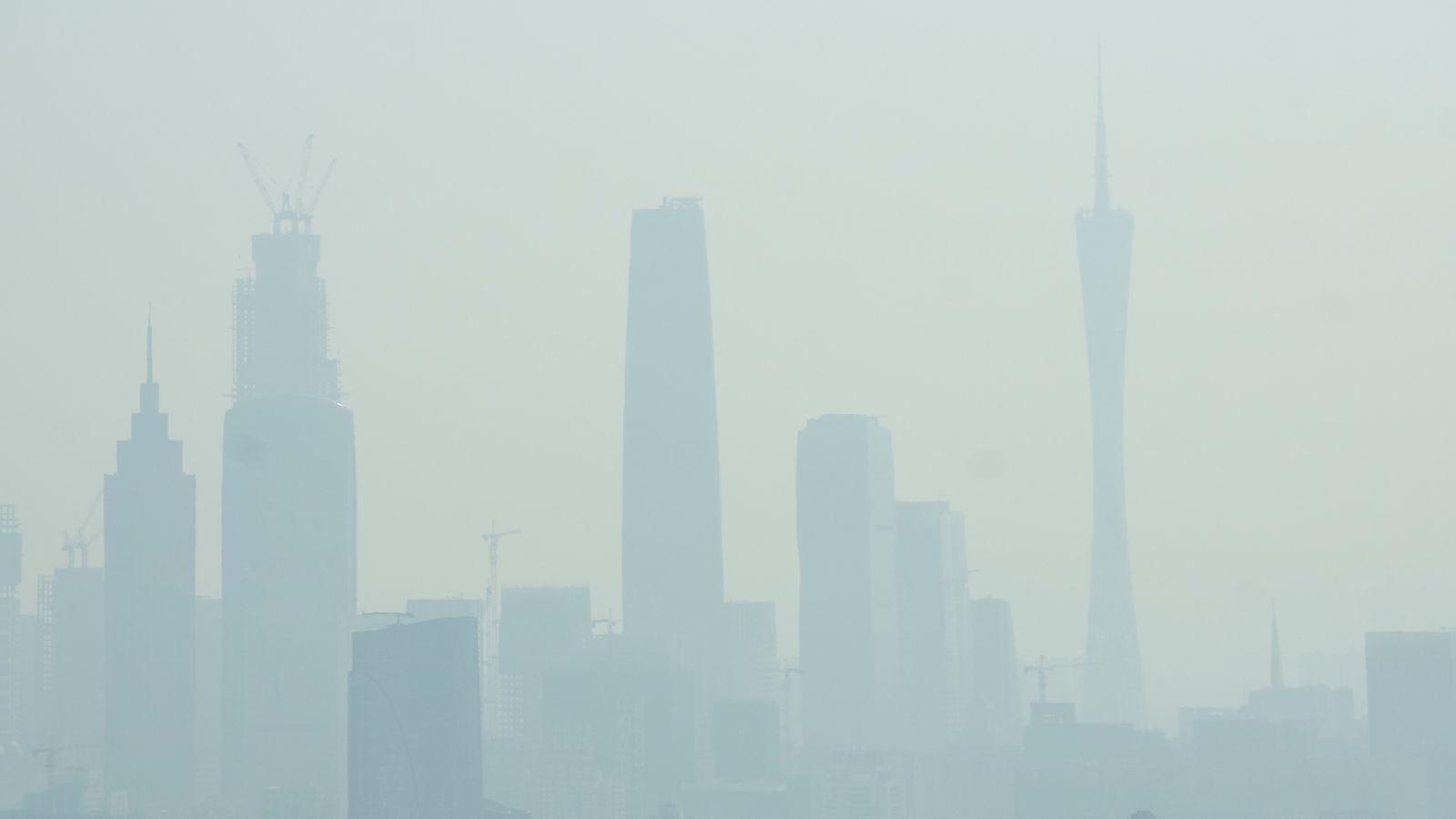
Haze is back in Sarawak and parts of Selangor. Five things worth checking in your medical card now — panel hospitals, annual limit, room and board, waiting periods.
Haze has been a daily headline in Malaysia this August. Serian, Samarahan and Kuching have been trading places at the top of the unhealthy range for most of the month, Serian peaking near 190 on 11 August. It has not stayed in Sarawak either — Johan Setia here in Selangor recorded 151 on 9 August, which is close enough to home for our Klang clients to have noticed it in their throats before they noticed it in the news.
Air quality will improve. It always does. But haze episodes are a useful annual reminder to do something most Malaysians postpone indefinitely: actually read the medical card they are paying for.
Not because haze is or isn't "covered" — that framing is the wrong shape. Medical insurance does not respond to weather events. It responds to a diagnosis, a treatment and a policy wording. Whether a particular respiratory admission is payable depends on the condition, the treatment received, the terms of your specific contract and its exclusions.
What you can do, today, in about five minutes, is find out what your card would and would not do if someone in your household needed a hospital this week.
1. Which hospitals are on your panel?
This is the one that causes the most distress at the worst possible moment — discovering at an admissions counter that your preferred private hospital is not on your plan's panel.
Take two minutes now. Name the hospital you would realistically go to from home, and the one you would realistically go to from your office. Then check whether both are on your panel.
Our own approach when arranging a medical card is to start from that question rather than end with it: which hospitals will this family actually use, and which plans include them. A slightly cheaper plan that excludes the hospital ten minutes from your house is not cheaper.
2. What is your annual limit, honestly?
Most people can name the premium. Far fewer can name the annual limit.
The figure that felt generous when you bought the plan may read differently against today's hospital bills. Bank Negara Malaysia reported medical cost inflation of 15% in 2024, against a global and Asia-Pacific average of around 10%. That gap compounds. A limit set six or eight years ago is not the same limit in real terms.
3. What room and board level are you entitled to?
Room and board entitlement is the quiet driver of the whole bill. In many plans, being admitted to a room above your entitled level does not simply cost you the room difference — it can affect how the wider bill is apportioned. Know your level before you are asked to choose a room while someone you love is on a trolley.
4. Is outpatient follow-up part of your plan, or not?
A respiratory episode is a good illustration of why this matters. Hospitalisation is the expensive event, but the follow-up consultations, the specialist review and the medication afterwards are the recurring one. Some plans include selected outpatient or specialist follow-up benefits; many do not. It is a question with a yes-or-no answer sitting in your Product Disclosure Sheet.
5. What are your waiting periods and exclusions?
Every medical contract has them. Pre-existing conditions, specified illnesses with waiting periods, and defined exclusions all shape what is payable. Someone who switched plans eighteen months ago may be in a very different position from someone who has held the same contract for a decade.
This is also the reason to be sceptical of the instinct to cancel a plan and buy a cheaper one. Replacing medical insurance can mean fresh underwriting and fresh waiting periods. Sometimes that is the right call. It is never a decision to make from a price alone.
One distinction worth getting right
A medical card and a Personal Accident policy solve different financial problems, and treating one as a substitute for the other is a common and expensive misunderstanding.
A medical card is built around eligible healthcare costs. Personal Accident insurance is built around a covered accident, and can provide defined benefits such as accidental death or permanent disablement lump sums, accident medical expenses and daily hospital income, depending on the plan. Illness generally sits outside what PA is designed to do.
We will unpack that fully later in this series. For now it is enough to know they are not interchangeable.
The five-minute version
Open your policy schedule. Check the panel. Check the annual limit. Check the room and board level. Check whether outpatient follow-up is included. Check the waiting periods and exclusions. Then check whether the plan still matches the family you have now rather than the family you had when you bought it.
Insurance is easiest to understand on a day when nothing is going wrong. The haze will clear. The card will still be there.
This article is general educational information and is not medical, financial or insurance advice. Coverage varies by policy; the applicable Product Disclosure Sheet and policy contract prevail. AMANA's medical plans are arranged through its licensed AIA life agency and are subject to policy terms and underwriting.
If you cannot answer three of those five questions from memory, that is worth half an hour with a specialist rather than a Google search. Review Medical & Health insurance with AMANA — we will start from the hospitals you actually use and the budget you want to keep, not from the most expensive plan on the shelf.